We manage weeds on land we own across Cambridge, including streets, parks and car parks.
We have stopped using herbicides at most of our sites and now use mechanical and manual methods to control weeds.
This herbicide-free approach:
- protects biodiversity and pollinators
- improves soil and water quality
- reduces exposure to chemicals for residents and staff
We might use herbicides in limited circumstances where other methods are not suitable. For example, we might use them to control certain invasive plants such as Japanese knotweed or giant hogweed.
Weeds on roads and pavements
We use mechanical sweepers and manual tools to remove vegetation from kerbs, gutters and paving joints as part of routine cleaning work.
We address areas with heavier weed growth through our street deep-cleaning programme, which operates on a ward-based schedule.
Read about street care and cleaning to find out more, or you can read this blog by the Government's Department for Environment, Food and Rural Affairs (Defra) about how our forward-thinking weed management approach is influencing other councils.
Report invasive weeds on public land
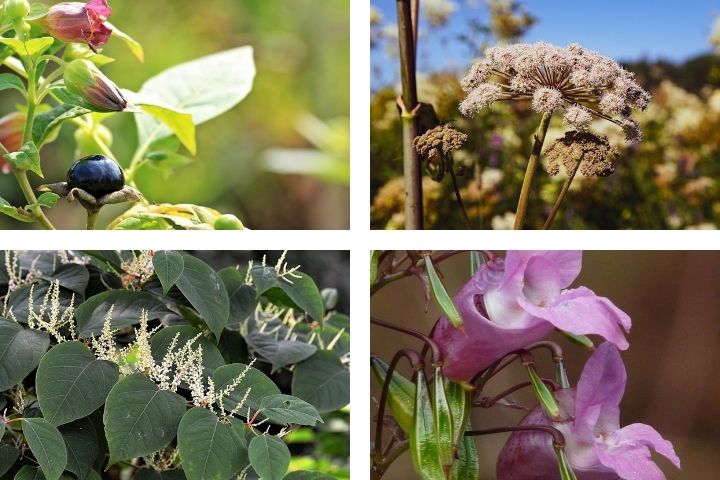
Tell us if you see any of the following invasive plant species spreading on public land:
We cannot treat weeds on private land.
Our form to report weeds is not working at the moment. Please contact us to tell us where you have seen the weeds and we’ll report it for you.
We aim to inspect invasive plants within 10 days of receiving your report and take appropriate action.
Community weeding scheme
Our ‘Happy Bee’ scheme helps you improve biodiversity in your street through community weeding.
We support groups of residents with tools and advice to manage their pavements in ways that better support wildlife and public health.
The scheme was set up as part of our Herbicide Reduction Plan. It has proven to be a success and its development and expansion is ongoing.
Read the Happy Bee scheme webpage to find out more and express interest in joining.
We made this change at the conclusion of our Herbicide Reduction Plan [PDF]. It was also a response to our declaration of a biodiversity emergency.