With two weeks remaining until the government’s consultation on local government reorganisation in Cambridgeshire and Peterborough closes, residents, businesses and community organisations are being urged to find out more about 'option B'.
Option B is the proposal backed by Cambridge City, East Cambridgeshire District and South Cambridgeshire District councils. The government is consulting on four options for reorganising Cambridgeshire’s seven existing councils into two or three new unitary councils.
This will replace the current two-tier system with fewer, larger unitary councils responsible for all local services – from housing and planning, to waste, roads and social care.
What option B proposes
Option B would reorganise the area into two new unitary councils:
- A Greater Cambridge council for Cambridge and South Cambridgeshire
- A North Cambridgeshire and Peterborough council for East Cambridgeshire, Fenland, Huntingdonshire and Peterborough.
The three supporting councils believe this structure reflects existing economic geographies while ensuring strong, balanced local leadership.
Why the councils support option B
Option B is considered the strongest and most ambitious proposal by the three councils because:
- Both new councils would be financially secure, with anticipated savings of £43 million a year. Savings would be reinvested to improve front line services across the region, as residents have called for. This level of ambition from the three councils is much greater than any of the other proposals for Cambridgeshire, which propose very modest savings compared to all local government reorganisation proposals submitted to government from across the country.
- The two councils would represent two areas that have different strengths, but are economic equals, limiting any north-south imbalance: Greater Cambridge with its world-leading science and tech economy, with North Cambridgeshire and Peterborough as an agricultural and industrial powerhouse.
- Being smaller in size means the Greater Cambridge unitary can facilitate closer collaboration among key local institutions, such as the Biomedical Campus, Cambridge University Hospitals NHS Foundation Trust, Anglia Ruskin University, science parks and the University of Cambridge, and government plans for a Greater Cambridge Development Corporation. These partnerships will help drive innovative solutions to local challenges, especially in the health and technology sectors. This will provide better levels of service to its close-knit communities and upwardly mobile population.
- North Cambridgeshire and Peterborough being larger in size means more council tax and government funding, and better ability to commission services, to help tackle pockets of deprivation and help shape local care markets. Both councils would have lower social needs than the England average, and lower than any of the other proposals.
- Aligning council boundaries to existing partnership working: Cambridge and South Cambridgeshire are already working together on a joint Local Plan for Greater Cambridge for well-managed growth in the years ahead, the councils have shared services including waste and planning, and both councils have a combined 13,000 council homes between them – whereas the northern councils do not have council housing stock.
- Recognising rural communities in the northern unitary: The rural nature of the northern unitary would drive it to work closely with local communities to deliver what’s needed, through Resident Engagement Pathways – what’s right for one area may not be relevant in another, allowing council resources to be targeted more effectively.
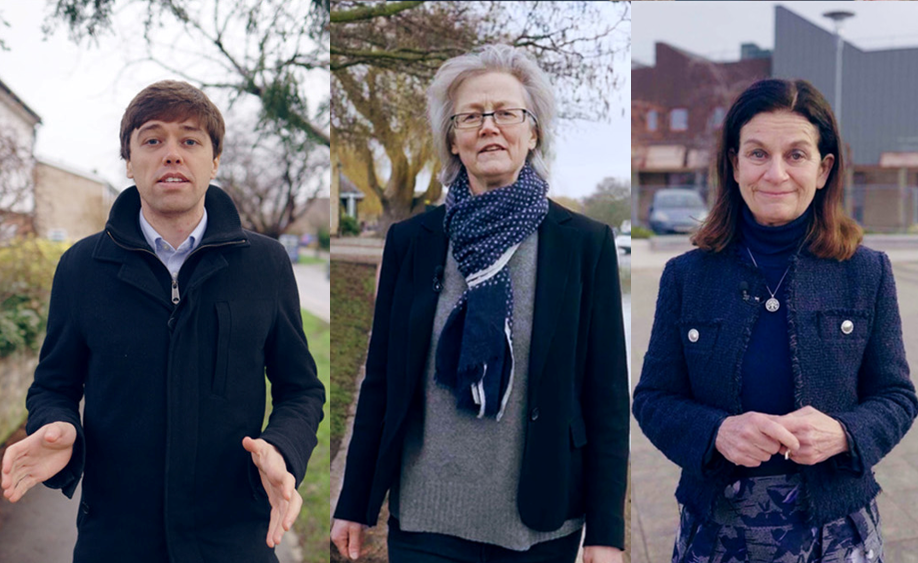
Cllr Cameron Holloway, Leader of Cambridge City Council, said: “We now have just a short time left in this consultation, and we’re really keen that people understand the local government reorganisation process, and the benefits that option B could bring to services they rely on every day. This proposal gives us the chance to design modern, responsive councils that reflect the real strengths of our communities and economies. We want residents, businesses and partners to help shape a system that works for everyone - not just for today, but for the future.”
Cllr Anna Bailey, Leader of East Cambridgeshire District Council, commented: “Option B remains the strongest and most ambitious proposal. It would create two financially sustainable councils – that each play to their strengths. Greater Cambridge, with its world-leading science and technology sectors, will attract the attention and investment needed to support its associated housing and infrastructure requirements. North Cambridgeshire and Peterborough, including East Cambridgeshire, will be large enough to meet social care demands, support regeneration and attract investment. Its rural nature will drive it to work closely with local communities to deliver what’s needed, where it’s needed. With two weeks to go, I’m encouraging everyone to look closely at all the options and share their views.”
Cllr Bridget Smith, Leader of South Cambridgeshire District Council, added: “As our area continues to grow and innovate, it’s essential our council structures keep pace. Option B offers a way to plan homes, jobs, transport and community facilities in a more coordinated, sustainable way. It also gives councils the financial stability to focus on preventing poor health and intervening with early support. With the consultation closing soon, I’m urging residents and stakeholders to get involved - this is a rare chance to help shape the future of public services across Cambridgeshire and Peterborough.”
How to take part
Residents and organisations across the region are encouraged to read more about option B and respond to the Government’s consultation before it closes on 26 March. Access the consultation online.
Following the close of the public consultation, the government will make a decision on which option to implement. The new unitary councils are then due to begin operating in a shadow capacity from May 2027, taking on full responsibility for delivering all services from April 2028.